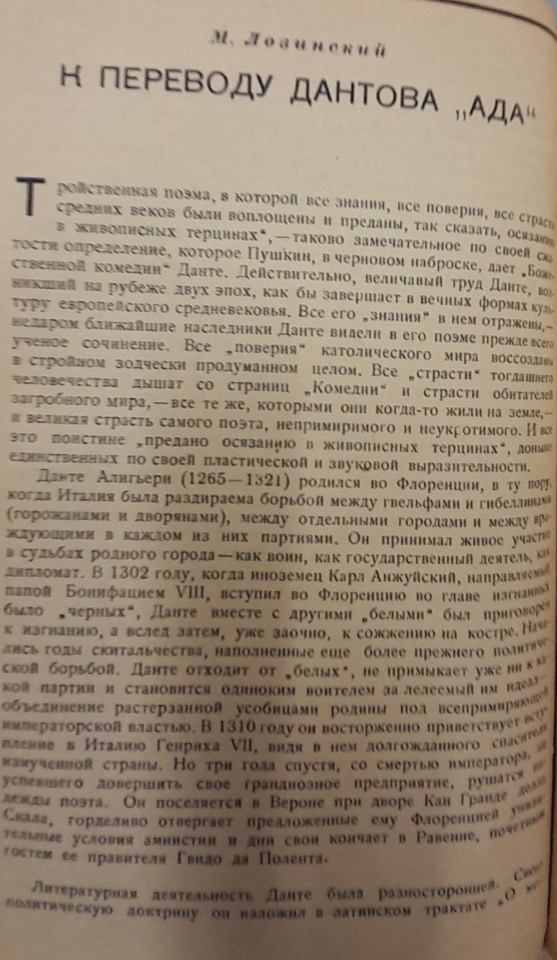
K perevodu Dantova Ada [P012]
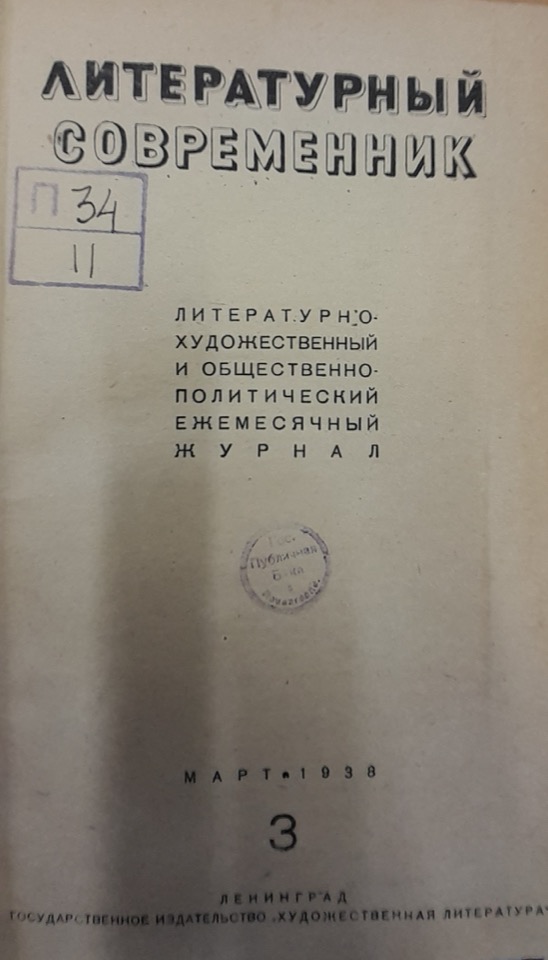
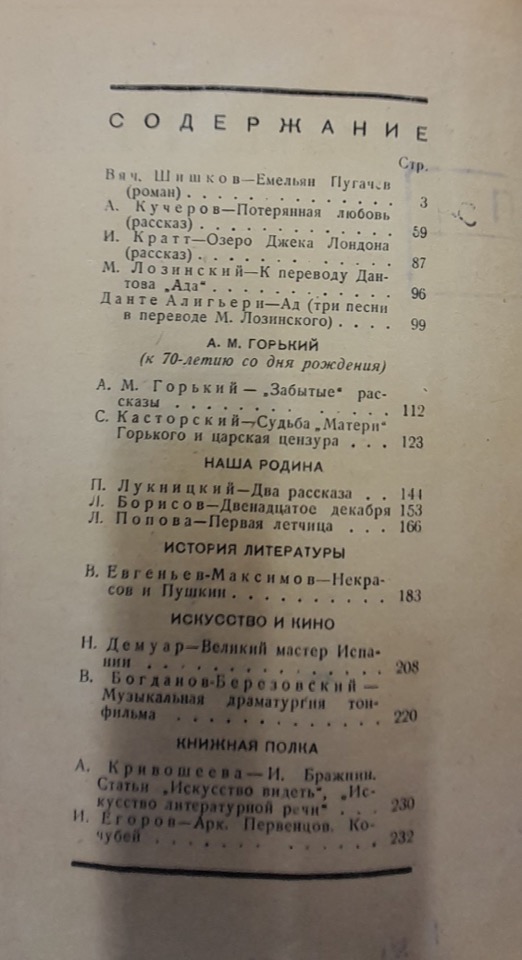
Paratext collocation: "Literaturnyj sovremennik" [rivista], 3 - pp. 96-99
Paratext's typology: Preface
Author of the paratext: Lozinskij Michail Leonidovič
Author's bio: Mikhail Leonidovich Lozinsky (1886-1955) - Acmeist poet also close to Symbolist circles of the early 20th century, translator and lecturer in poetic translation, employee of the Leningrad National Library, collaborator of the Vsemirnaya Literatura publishing house, friend of many important literati and critics of the time, including Anna Akhmatova, Korney Chukovskiy and Nikolay Antsiferov. Lozinsky translated many European classics from French, Spanish, English and Italian partly following the formalist method proposed by Gumilev in poetic translation, i.e. paying particular attention to the correspondence between the formal structures of the source text and the target text. His best-known masterpiece in this field was the translation of Dante's Commedia, a work he undertook in 1936 and completed in 1942, meanwhile publishing translations of individual cantos in various literary journals. Even in later years, however, he never stopped revising and supplementing his scholarly commentary on Dante's poem, mainly due to the demands of publishers determined by the country's atheistic censorship. The translation, initially commissioned by the Academia publishing house, was published in three volumes by GIHL (Goslitizdat) following the closure of Academia during the 1937 repressions and the transfer of its unfinished projects to the GIHL administration. Inferno came out in 1939 accompanied by Ivan Grevs' commentary and Aleksey Dzhivelegov's preface and was later reprinted in 1940 with Aleksandr Beletskiy's commentary; Purgatorio came out in 1944 and Paradiso in 1945, the year of the end of World War II, and both canticles were punctually accompanied by Dzivelegov's preface. Then, in 1950, Goslitizdat published the full translation in one volume with Konstantin Derzhavin's preface. In 1952, Lozinsky was invited to revise his commentary for a new publication planned by the Academia Nauk publishing house, which never took place. Today, the canonical version is considered to be the 1967 posthumous edition published by the Nauka publishing house with a preface by Ilya Nikolaevich Golenishchev-Kutuzov. Bibliography: K. Landa, Bozhestvennaya Komediya v zerkalakh russkikh perevodov, Sankt-Peterburg, RHGA, 2020, pp. 321-427; K. Landa, Kanonizirovannyi i neprinjatyi Dante. K istorii recepcii i cenzury Bozhestvennoy Komedii v SSSR, "Studi Slavistici", 18 (2021), pp. 147-173; K. Landa, Le traduzioni russe della Commedia: Il Novecento e Michail Lozinskij, in Dante oltre i confini: La ricezione dell'opera dantesca nelle letteratura altre, a cura di S. Monti, Alessandria, Edizioni Dell'Orso, 2018, pp. 123-138, and the bibliography.
Date of the paratext: 1938
Paratextual directives:
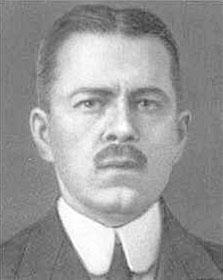
Author image:
Title of the original work translated into Russian: Tre canti dell'Inferno dantesco: canto I, canto III, canto V
Publication date of the original work: 1321
Country of the original work: Italy
Author of the original text: Alighieri Dante
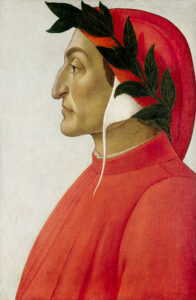
Bio of the Author (original text): Dante Alighieri (1265, Florence - 1321, Ravenna) - Italian poet considered the father of the Italian language and the greatest of the three Florentine 'crowns' (Dante, Petrarch, Boccaccio). Author of the books Rime, Vita Nuova, Convivio, Fiore, Detto d'Amore, Commedia (in Vulgar Italian), De vulgari eloquentia, Monarchia, Epistole, Egloghe (in Latin).
Author image:
Collocation of the translation: "Literaturnyj sovremennik" [rivista], 3
Translator's name: Lozinskij Michail Leonidovič
Translator's bio: Mikhail Leonidovich Lozinsky (1886-1955) - Acmeist poet also close to Symbolist circles of the early 20th century, translator and lecturer in poetic translation, employee of the Leningrad National Library, collaborator of the Vsemirnaya Literatura publishing house, friend of many important literati and critics of the time, including Anna Akhmatova, Korney Chukovskiy and Nikolay Antsiferov. Lozinsky translated many European classics from French, Spanish, English and Italian partly following the formalist method proposed by Gumilev in poetic translation, i.e. paying particular attention to the correspondence between the formal structures of the source text and the target text. His best-known masterpiece in this field was the translation of Dante's Commedia, a work he undertook in 1936 and completed in 1942, meanwhile publishing translations of individual cantos in various literary journals. Even in later years, however, he never stopped revising and supplementing his scholarly commentary on Dante's poem, mainly due to the demands of publishers determined by the country's atheistic censorship. The translation, initially commissioned by the Academia publishing house, was published in three volumes by GIHL (Goslitizdat) following the closure of Academia during the 1937 repressions and the transfer of its unfinished projects to the GIHL administration. Inferno came out in 1939 accompanied by Ivan Grevs' commentary and Aleksey Dzhivelegov's preface and was later reprinted in 1940 with Aleksandr Beletskiy's commentary; Purgatorio came out in 1944 and Paradiso in 1945, the year of the end of World War II, and both canticles were punctually accompanied by Dzivelegov's preface. Then, in 1950, Goslitizdat published the full translation in one volume with Konstantin Derzhavin's preface. In 1952, Lozinsky was invited to revise his commentary for a new publication planned by the Academia Nauk publishing house, which never took place. Today, the canonical version is considered to be the 1967 posthumous edition published by the Nauka publishing house with a preface by Ilya Nikolaevich Golenishchev-Kutuzov. Kristina Landa
Russian translation publication date: 1938


Concise description of the paratext-directives' relation:
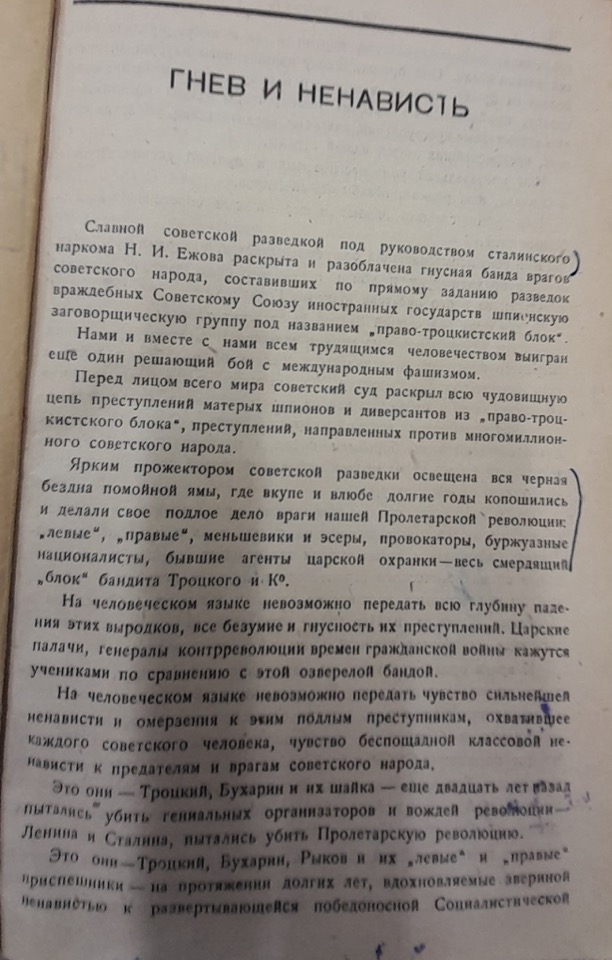
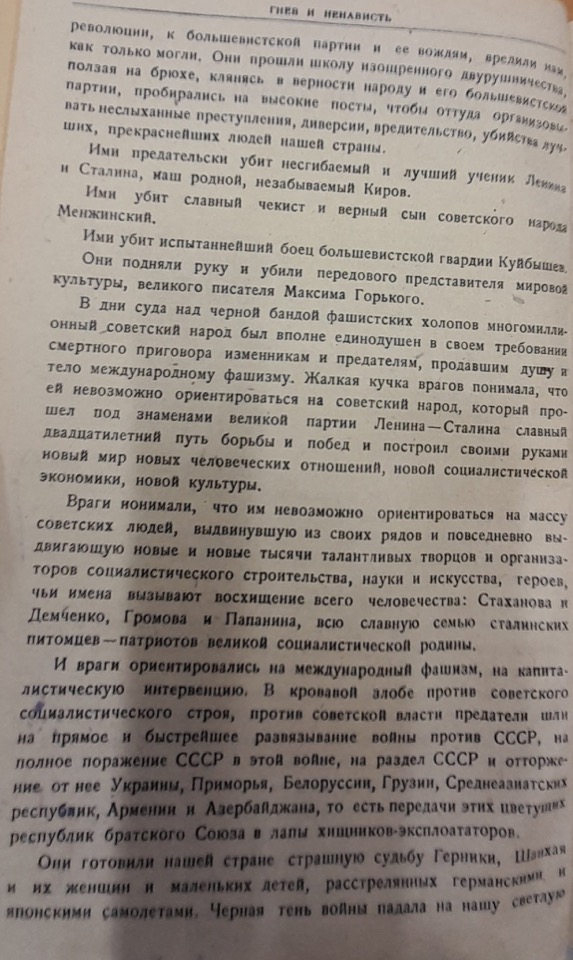
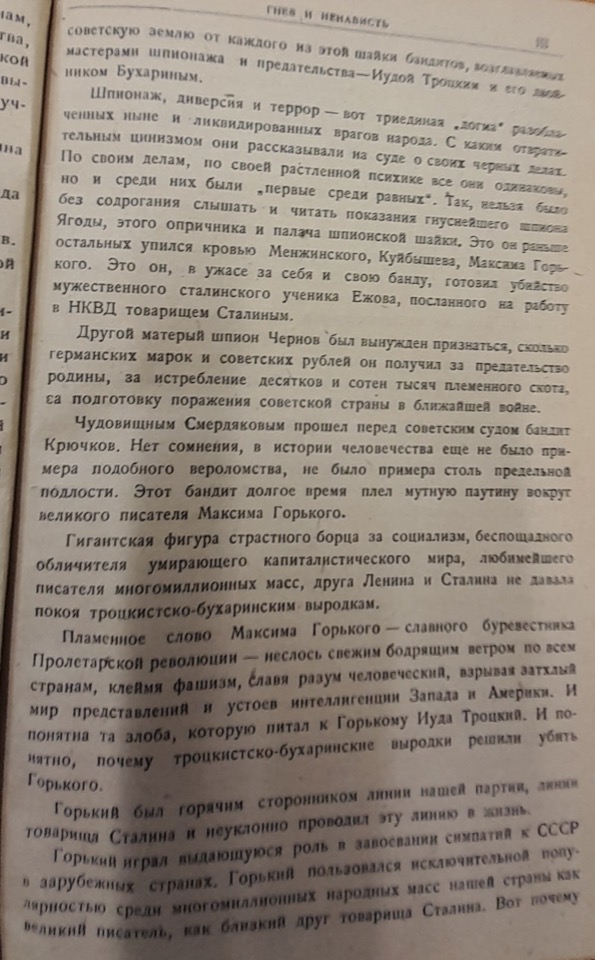
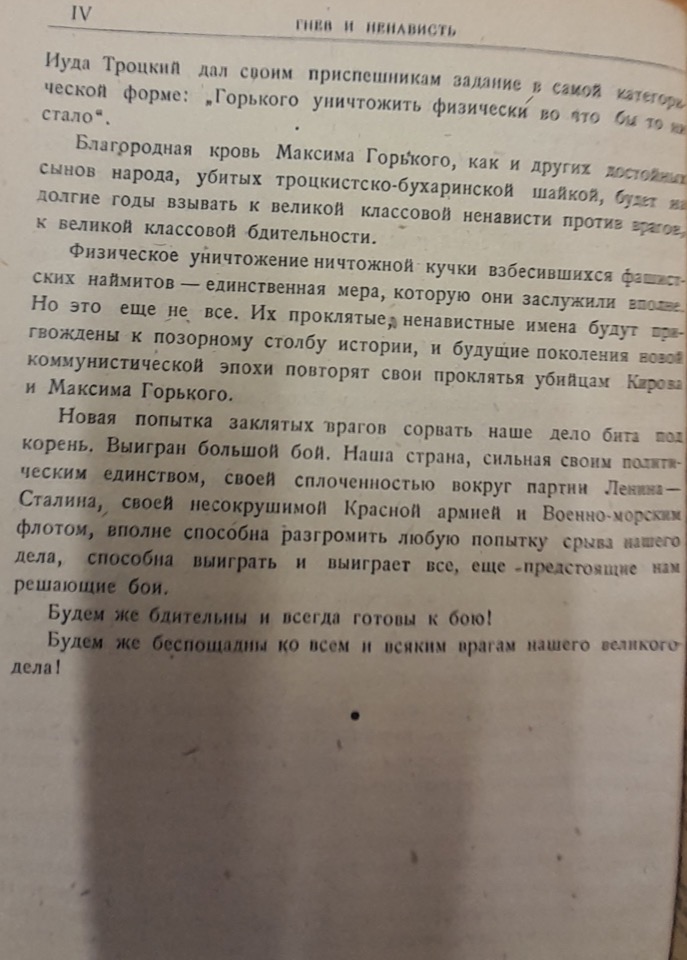
Relationship with directives: Lozinsky opens the essay with Pushkin’s famous words on Dante’s Inferno (‘even just the plan of Dante’s Inferno is already the fruit of high genius!’) recalling the authority of the Russian poet just celebrated on the anniversary of 1937 in support of his thesis on the greatness of Dante’s work (D023; D026). Indeed, Pushkin’s anniversary “brings us back to the need to study the problem of the legacy of classical literature” (D010; D015; D025 et al.). Lozinsky, like Friche, defines Dante as a medieval and Catholic poet. However, in contrast to Friche, he emphasises the strong passions of the “implacable and indomitable” poet that transpire from the pages of the Commedia, as well as the realist expressiveness of Dante’s tercets and Alighieri’s active participation in the political struggle of the Florence of his time. Finally, Lozinsky asserts that Dante did not write the poem with a didactic and religious purpose but rather a political one; the author of the Commedia is understood as a merciless judge of his own time who punishes his enemies. Lozinsky emphasises Dante’s vitality, passion and “powerful individualism”. Furthermore, he notes that in exile Dante no longer considered himself a member of any political party but fought in solitude for his ideal, namely the unification of his homeland, torn apart by local wars, under the reconciling power of the emperor. In the same issue of the magazine: “Unmasking the right-wing Trotskyist bloc” with fierce insults against the ‘political enemies’ who would have wanted to detach several republics from the glorious Soviet Union, powerful thanks to its political unity and led by the genius of Stalin. Mention is also made of the ‘noble blood’ of Maxim Gorky, a writer who always fought for Stalin’s policies and was killed by his Trotskyist and fascist enemies. Individual contribution: Lozinsky describes the narrative and poetic structure of the Commedia without any particular emphasis on political issues.
Kristina Landa