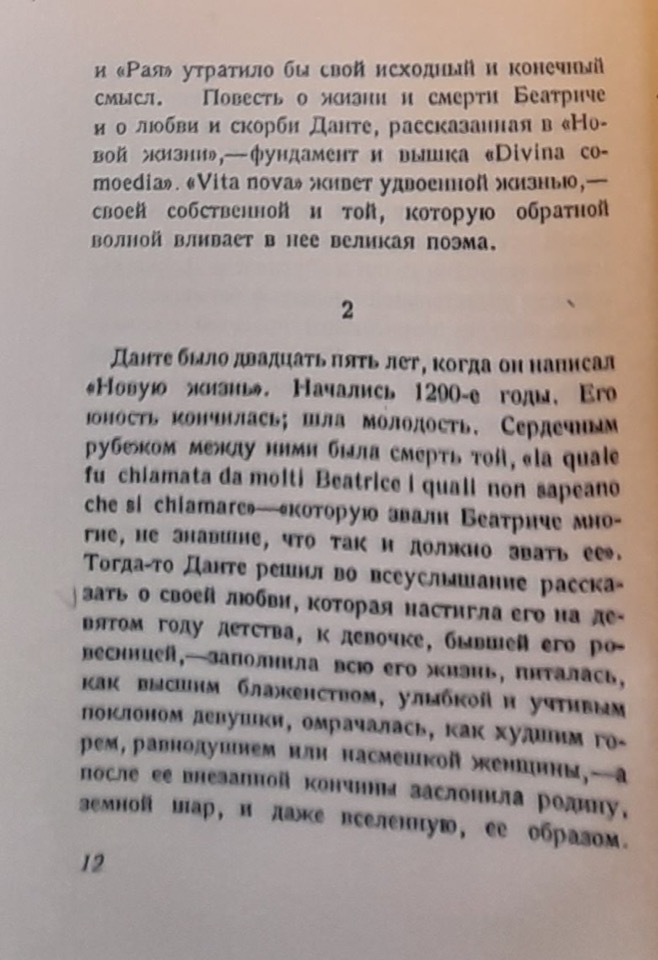
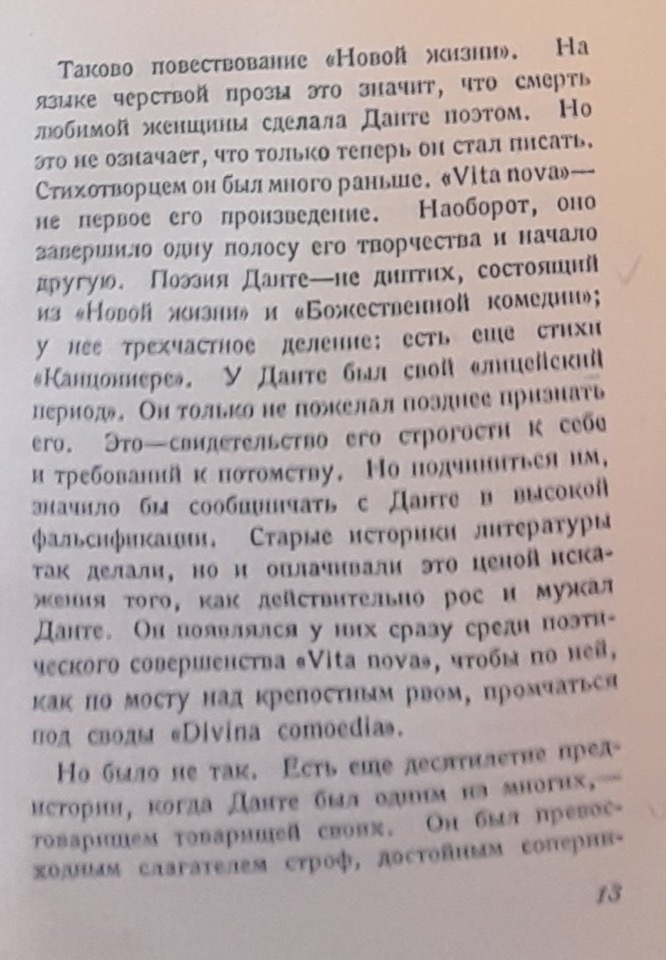
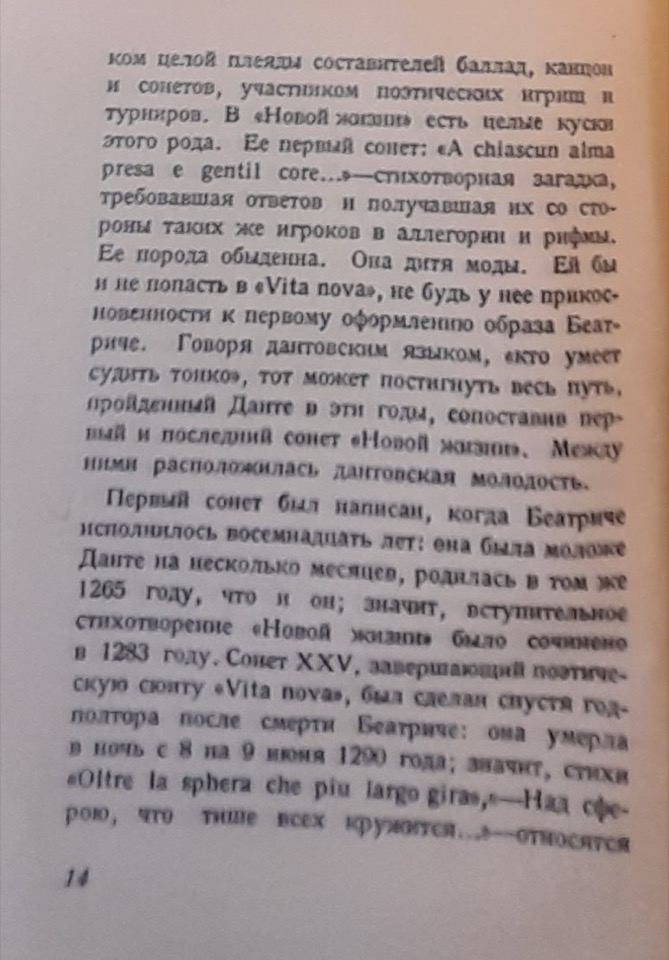
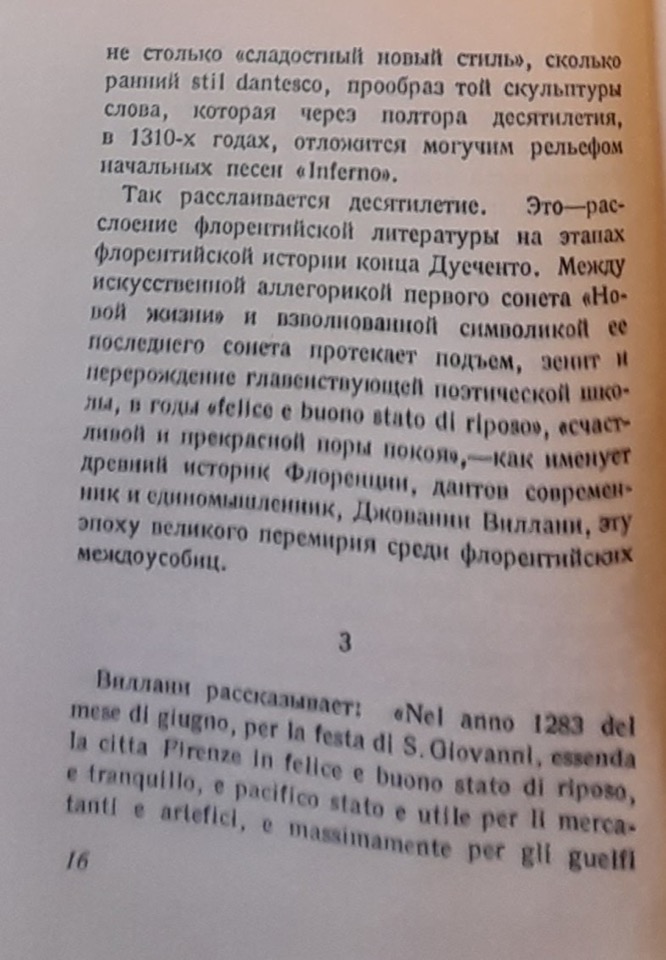
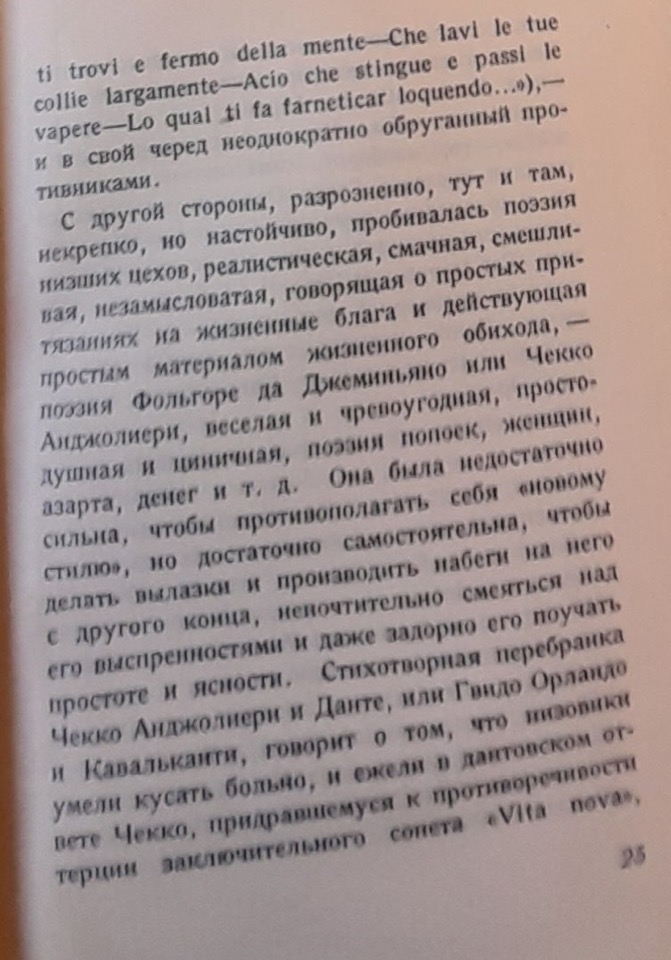
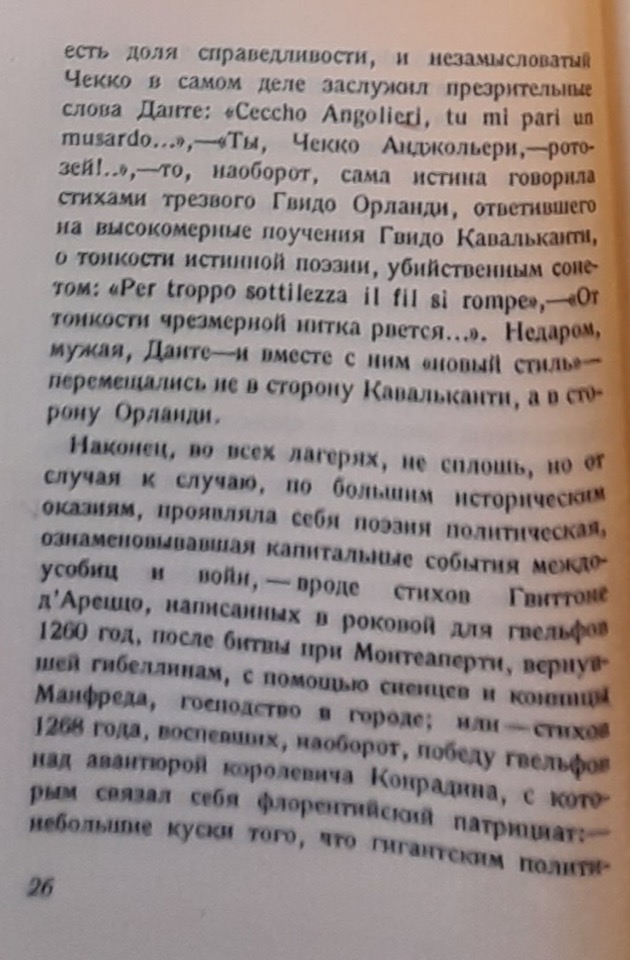
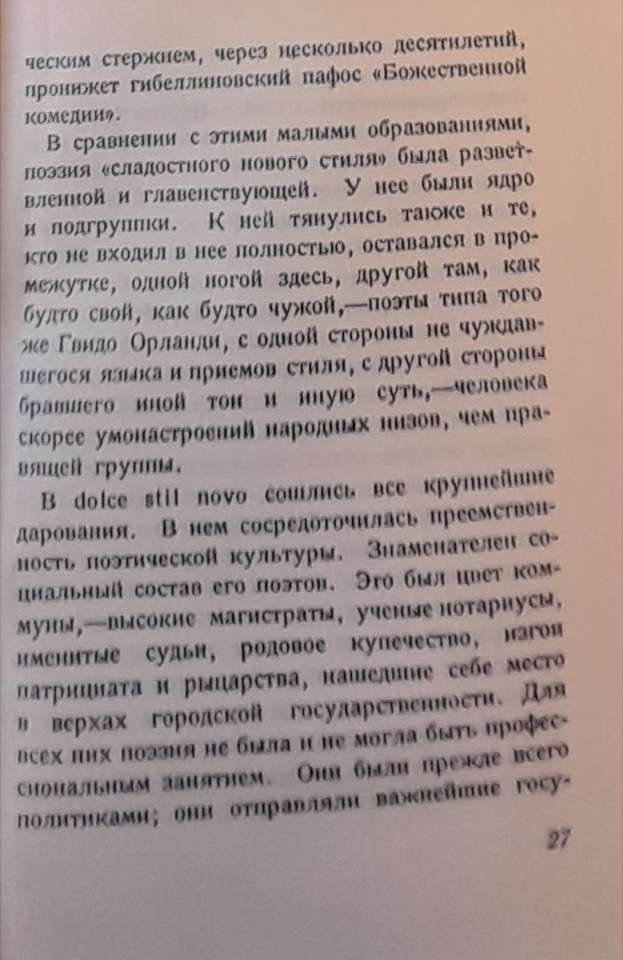
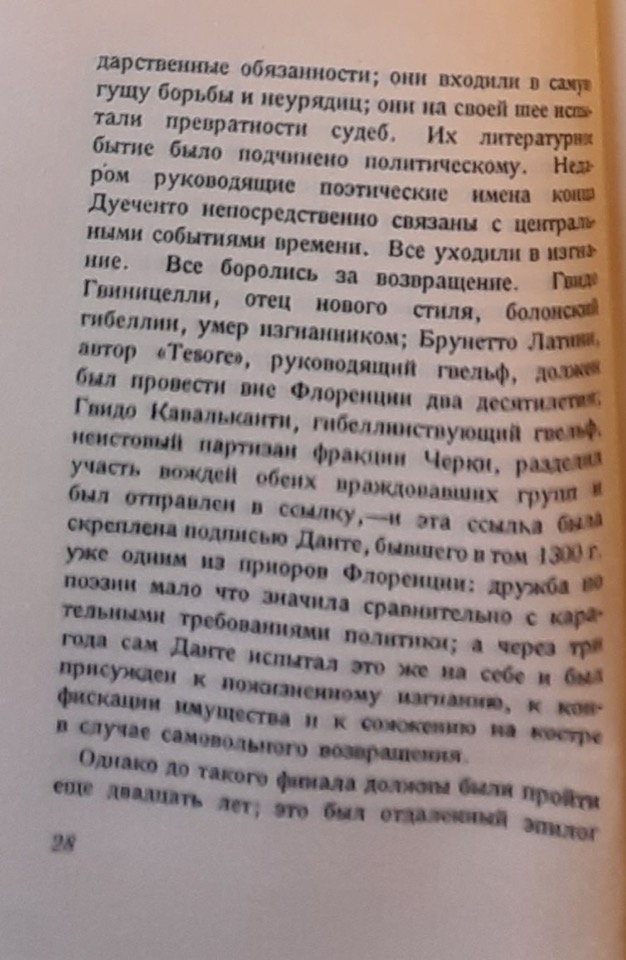
Predislovie [P001]
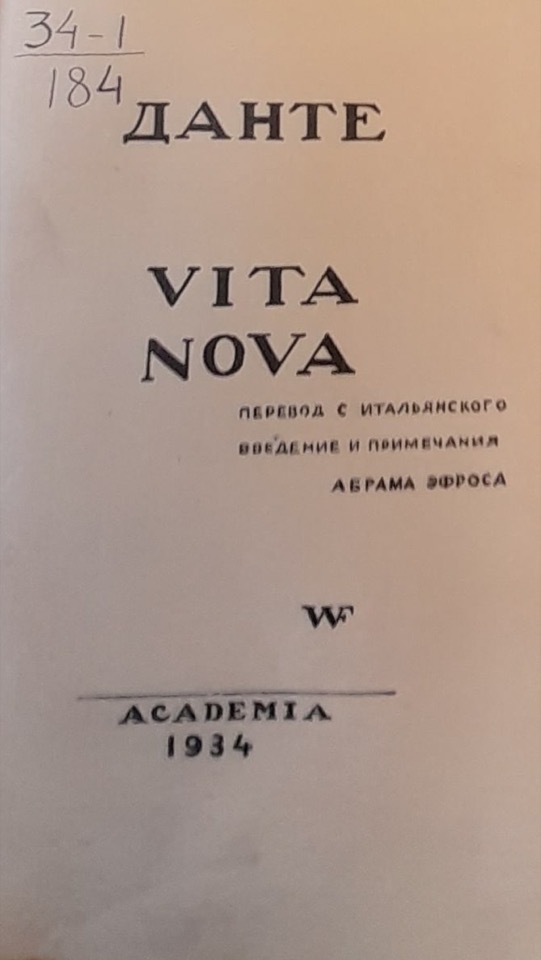
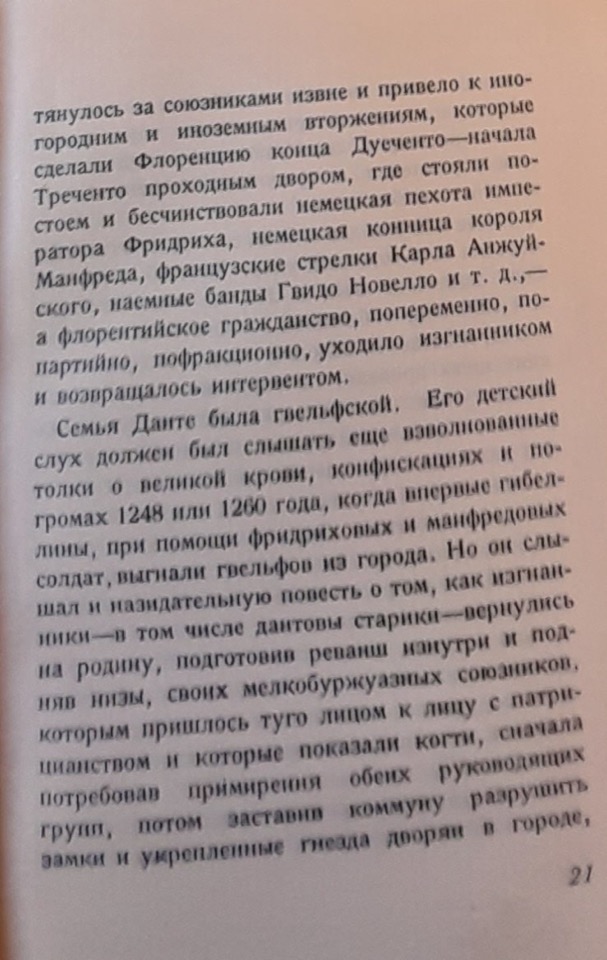
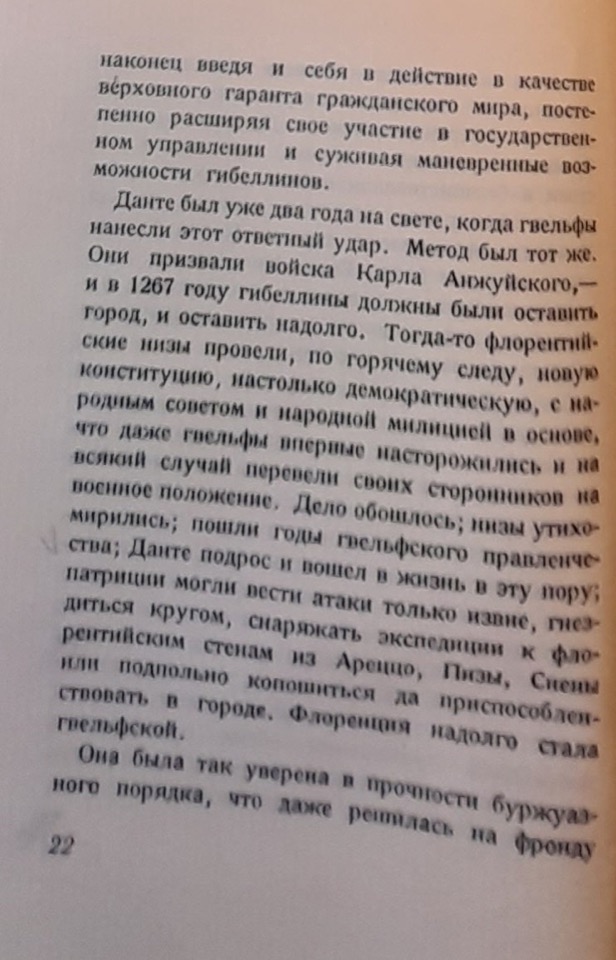
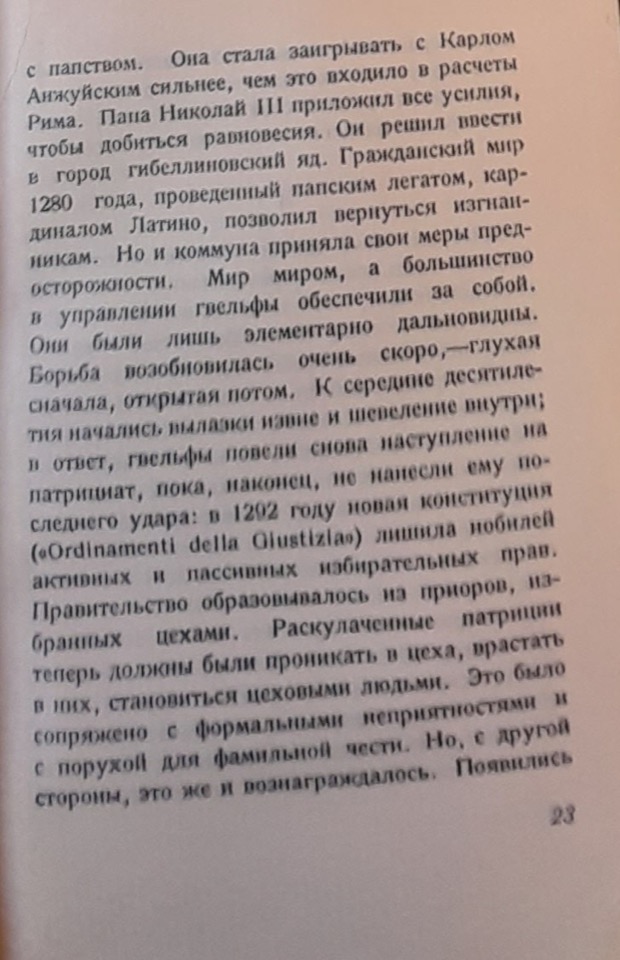
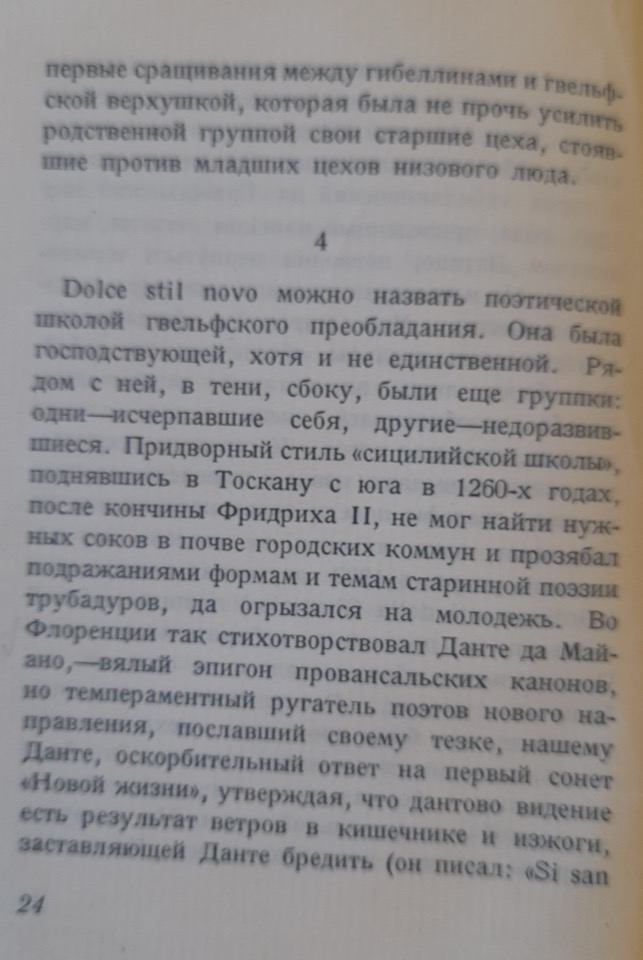
Paratext collocation: Novaja žizn' - Moskva - Academia - pp. 1-64
Paratext's typology: Preface
Author of the paratext: Èfros Abram Markovič
Author's bio: Abram Markovich Efros (1888, Moscow - 1954, Moscow) - art critic, literary critic, translator, theatre historian, member of the administration of Moscow's most important museums in the 1920s. Already in his university years, he translated the Song of Songs from ancient Hebrew (1909), was the author of several translations from French and Italian, and composed essays on Aleksandr Pushkin, Michelangelo, Paul Valéry and other artists and men of letters. He was also the author of a collection of erotic sonnets (Eroticheskiye sonety, 1922). In the 1930s, Efros was chief editor of the Frantsuzskaya literatura series at the Academia publishing house. According to M. Rac, Efros' paratexts to translations of French works often represent small masterpieces (Rac 1989: 13). In 1937, he was arrested and sent into exile for three years in the city of Rostov Velikiy. In 1950, during the anti-Jewish repressions against the 'cosmopolitans', he was sent into exile in Tashkent, where he worked until his death as a professor at the State Institute of Theatre Art in Tashkent. Bibliography: O. Lekmanov, Efros A.M., in Mandelstamovskaya enciklopediya, Moskva, Politicheskaya enciklopediya, 2017, t. 1, p. 569; P. Nerler, Mandelstam i Efros: о prevratnostyakh netvorcheskikh peresecheniy, "Nashe nasledie", 114 (2015), pp. 38 -52; R. Timenchik, Iz Imennogo ukazatelya k Zapisnym knizhkam Achmatovoy: A. Efros, "Literaturnyi fakt", 3/17 (2020), рр. 292-301; RGB. F. 589. Efros Abram Markovich.
Date of the paratext: 1934
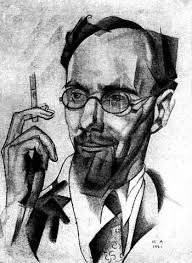
Author image:
Title of the original work translated into Russian: Vita nuova
Publication date of the original work: 1294/1295
Country of the original work: Italy
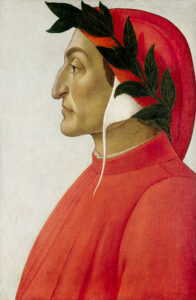
Author of the original text: Alighieri Dante
Bio of the Author (original text): Dante Alighieri (1265, Florence - 1321, Ravenna) - Italian poet considered the father of the Italian language and the greatest of the three Florentine 'crowns' (Dante, Petrarch, Boccaccio). Author of the books Rime, Vita Nuova, Convivio , Fiore, Detto d'Amore, Commedia (in Vulgar Italian), De vulgari eloquentia, Monarchia, Epistole, Egloghe (in Latin). See https://www.danteonline.it/opere/index.php; https://dante.dartmouth.edu/
Author image:
Title of the Russian translation: Novaja žizn'
Collocation of the translation: Moskva – Academia
Translator's name: Èfros Abram Markovič
Translator's bio: Abram Markovich Efros (1888, Moscow - 1954, Moscow) - art critic, literary critic, translator, theatre historian, member of the administration of Moscow's most important museums in the 1920s. Already in his university years, he translated the Song of Songs from ancient Hebrew (1909), was the author of several translations from French and Italian, and composed essays on Aleksandr Pushkin, Michelangelo, Paul Valéry and other artists and men of letters. He was also the author of a collection of erotic sonnets (Eroticheskiye sonety, 1922). In the 1930s, Efros was chief editor of the Frantsuzskaya literatura series at the Academia publishing house. According to M. Rac, Efros' paratexts to translations of French works often represent small masterpieces (Rac 1989: 13). In 1937, he was arrested and sent into exile for three years in the city of Rostov Velikiy. In 1950, during the anti-Jewish repressions against the 'cosmopolitans', he was sent into exile in Tashkent, where he worked until his death as a professor at the State Institute of Theatre Art in Tashkent.
Curator of the Russian translation: Dživelegov Aleksej Karpovič
Russian translation publication date: 1934


Concise description of the paratext-directives' relation:
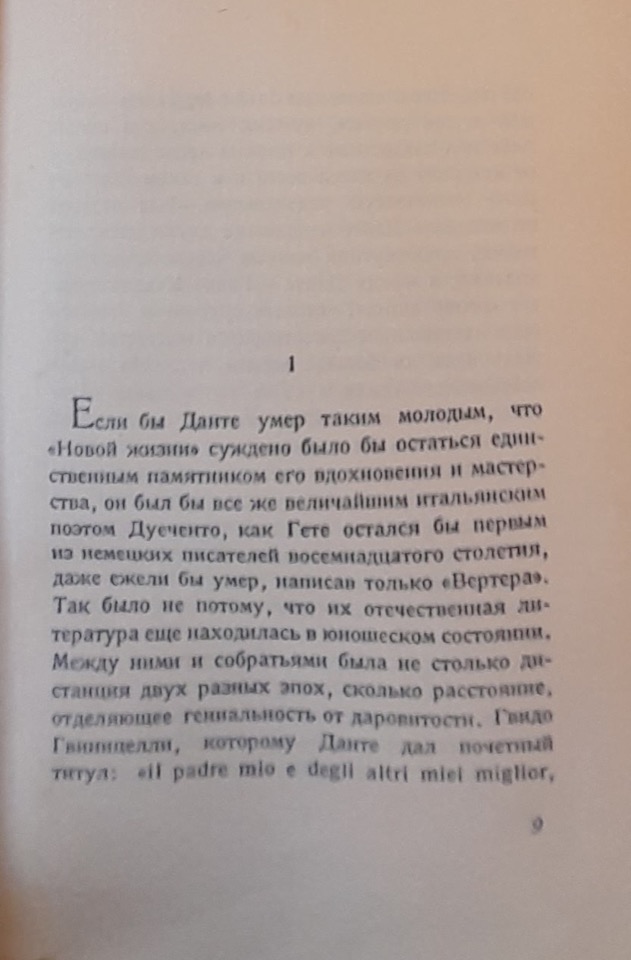
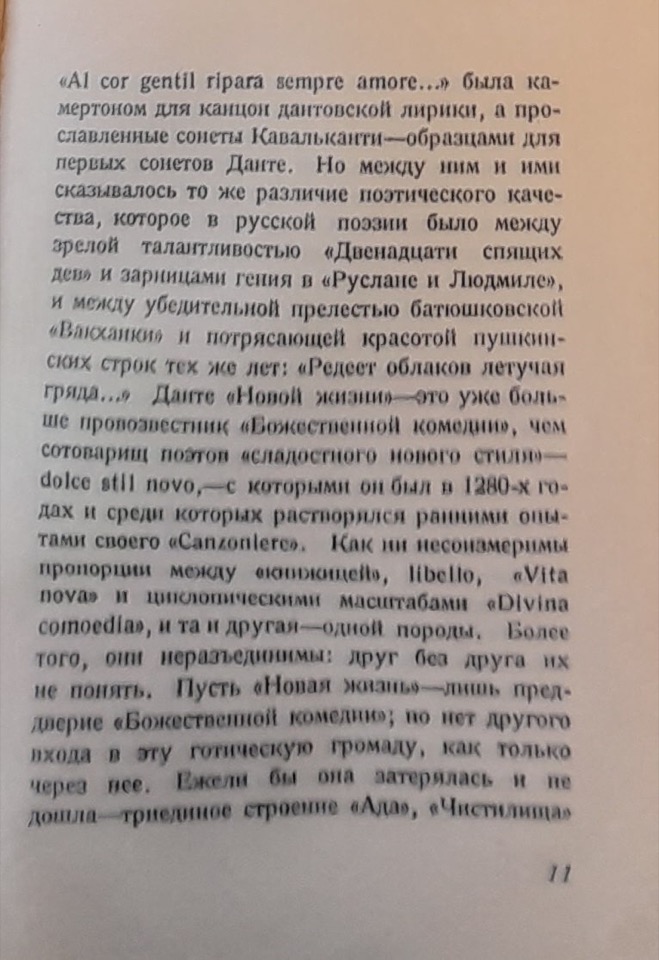
Abram Efros’s article has three essential aspects that reflect both his strategies of captatio benevolentiae aimed at censorship and the aesthetic tastes of the translator himself: 1) Efros considers Pushkin as a role model in his reflection on the young Dante; he not only compares the two authors with each other but also draws a comparison between their biographical and literary environments. In his essay, the language of the central sonnets of VN is compared to that of Pushkin in its purity and transparency. 2) The style of the article is not scientific, but almost colloquial, full of elements of jargon and Soviet neologisms. Efros cites no other scholars of Dante and associates the Dolce stil novo movement with the Guelph political faction. 3) Efros does not link the VN to the decline of feudalism, which allows him to avoid talking about asceticism and theology. In his essay, the mystical dimension is replaced with the erotic one. It does not detect the traits of religious genres in the VN . Dante’s inner conflict is represented as a struggle between the conventional models of courtly poetry and an authentic erotic passion that generates the new poetic structures. Relationship with directives. Captatio benevolentiae: 1) The comparison between Dante and Pushkin refers to the debate on the purity of the language of literary works that took place in the periodical press in 1934 (“Literaturnaya ucheba”, 1933, №1, D011 et al.). At the same time, it refers to the preparations for Pushkin’s anniversary, which ‘brings us back to the need to study the problem of the legacy of classical literature’ (D015; D010 et al.). 2) The colloquial style of the article can have both a didactic and defensive function, demonstrating the purity of the paratext author’s ideological intentions (D011). 3) The exclusion of the mystical element corresponds to the RAPP criteria (D019). Individual choice: 3) The focus on eroticism contrasts with the exclusion of the ‘sex’ issue from Soviet literature (D019).
Kristina Landa